

Attacking Colleges Past, Present, and Future
How did we get here, and is there a way out?

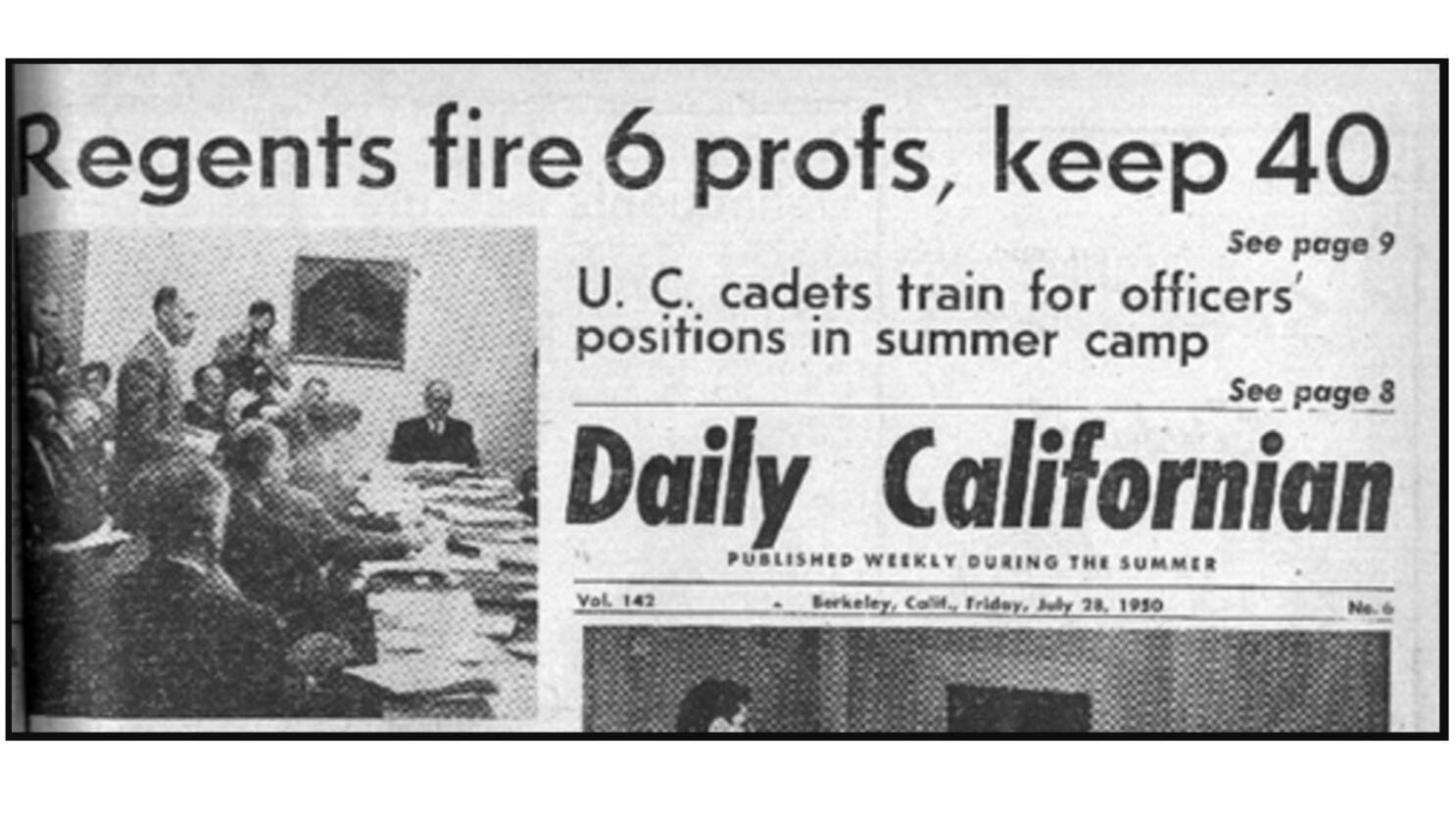
I’ve written a bit here on the ongoing attacks on higher education being perpetrated by the Trump administration. Emily Gross was kind enough to invited me onto her podcast Beerocracy for a good discussion on the issue. We cover a broad range of topics, including the history of populist attacks on universities, the threats to international students, the undermining of one of the United States’ greatest exports and source of its soft power advantage, and more. We also get into the history of the Red Scare as it affected universities, and how we eventually got out of that situation. As I say,
A big part of what reversed the tide was Sputnik. When the Soviets launched the first satellite in 1957 suddenly American leaders panicked that the Soviets were beating us in the space race, they were ahead of us scientifically, and suddenly anti-intellectualism kind of died down…. The government just became obsessed with, “We need to build up our universities, we need to hire a lot of people, we need to massively fund research.” And suddenly the federal government got involved in providing research dollars for for research universities…. Member of Congress would highlight the contributions of these people and create medals for them.
We cover a lot of ground! But if you’re interested in this topic I think you’ll get something out of this conversation. You can listen at Spotify, watch below on YouTube, or elsewhere.
I know that Sputnik directly led to an expansion of federal government efforts in engineering, but the canonical explanation for the federal government's _science_ efforts is the experience with WWII. Vannevar Bush's _Endless Frontier_, which was the intellectual justification for federal government involvement was published in 1945. The NSF was founded in 1950.
Although less sexy than the space race, the NSF represented a federal commitment to _all_ fundamental science. The space race was about engineering. Engineering is more likely to survive with some federal presence. Fundamental science is a more difficult sell. The space race analogy doesn't help give hope to those concerned about science.
The sad thing is it apparently isn't enough to point to countless major achievements of publicly funded research that positively impacted literally everyone's lives. People take for granted the results of this research, yet likely don't realize where it came from.